The retina is a delicate layer of tissue at the back of the eye that plays a crucial role in vision. It captures light and sends visual signals to the brain via the optic nerve. When the retina is damaged or diseased, it can lead to visual disturbances or permanent vision loss. While diabetic retinopathy is one of the most well-known retinal diseases, there are several other serious conditions that can affect the retina and require timely diagnosis and treatment.
At Eye Associates of Plantation, our retina specialist is highly experienced in managing a wide range of retinal disorders using state-of-the-art technology and advanced treatment options.
Macular Degeneration (AMD)
Age-related macular degeneration is a leading cause of vision loss in people over 50. It affects the macula—the central part of the retina responsible for sharp, central vision. There are two forms:
Dry AMD: The more common form, caused by gradual thinning of the macula.
Wet AMD: Less common but more severe, involving abnormal blood vessel growth that can leak fluid or blood into the retina.
Retinal Detachment
Retinal detachment occurs when the retina peels away from the underlying tissue, often due to a tear or hole. It is a medical emergency and can lead to permanent vision loss if not treated promptly.
Macular Hole
A macular hole is a small break in the macula that can cause blurred or distorted central vision. It is often age-related and may require surgery to repair.
Epiretinal Membrane (ERM)
Also known as macular pucker, this condition occurs when a thin layer of scar tissue forms on the retina’s surface, causing vision to appear wavy or blurry.
Retinal Vein Occlusion (RVO)
This condition occurs when a vein in the retina becomes blocked, leading to sudden vision changes and possible retinal swelling or bleeding.
Retinal conditions may present with a variety of symptoms, including:
Because retinal diseases can progress silently or rapidly, it’s essential to seek medical attention if you notice any changes in your vision.
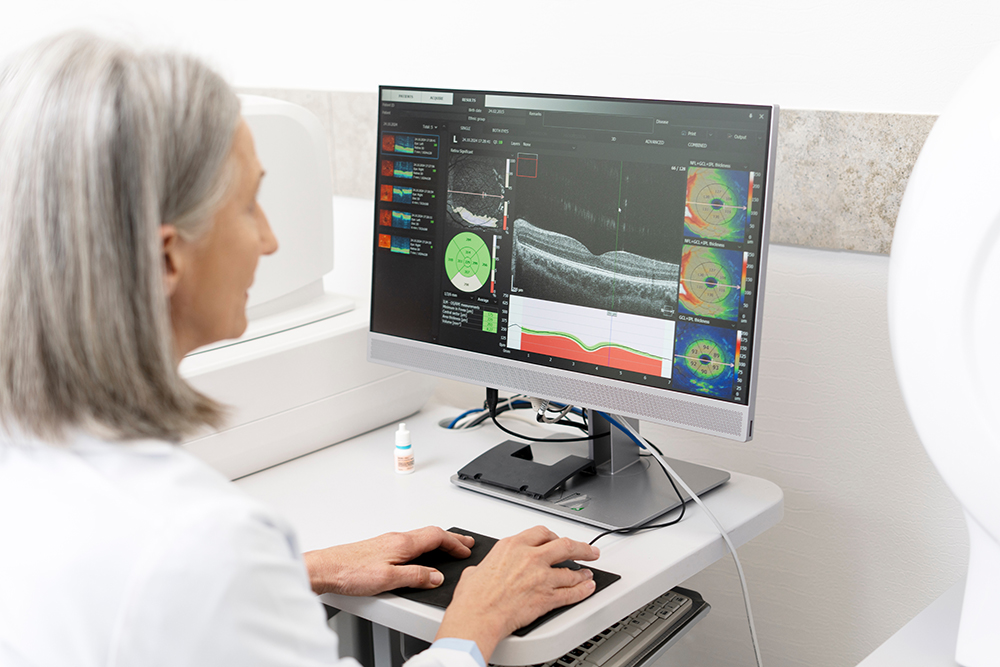
Accurate diagnosis is the first step toward effective treatment. At Eye Associates of Plantation, we use advanced imaging and diagnostic tools to evaluate retinal health, including:
captures cross-sectional images of the retina
identifies blood flow abnormalities in the retina
provides high-resolution images of the retinal surface
used in cases where the view of the retina is obstructed
These tools allow us to detect even the earliest signs of retinal disease and determine the best course of treatment.
Treatment varies depending on the specific retinal condition and its severity. Options may include:
Medications such as anti-VEGF agents are used to treat wet AMD, retinal vein occlusion, and other conditions involving fluid leakage.
Targeted lasers can seal retinal tears, treat abnormal blood vessels, or reduce swelling.
A minimally invasive procedure used to remove vitreous gel, repair retinal detachment, or correct macular holes and epiretinal membranes.
In some early-stage conditions, careful monitoring may be recommended before initiating treatment.
Regular comprehensive eye exams are critical, especially for individuals over 50 or those with risk factors such as high blood pressure, diabetes, or a family history of retinal disease. Early detection can make a significant difference in preserving vision.
If you are experiencing changes in your vision or have concerns about your retinal health, contact Eye Associates of Plantation today to schedule a comprehensive retinal evaluation.