
Glaucoma Treatment
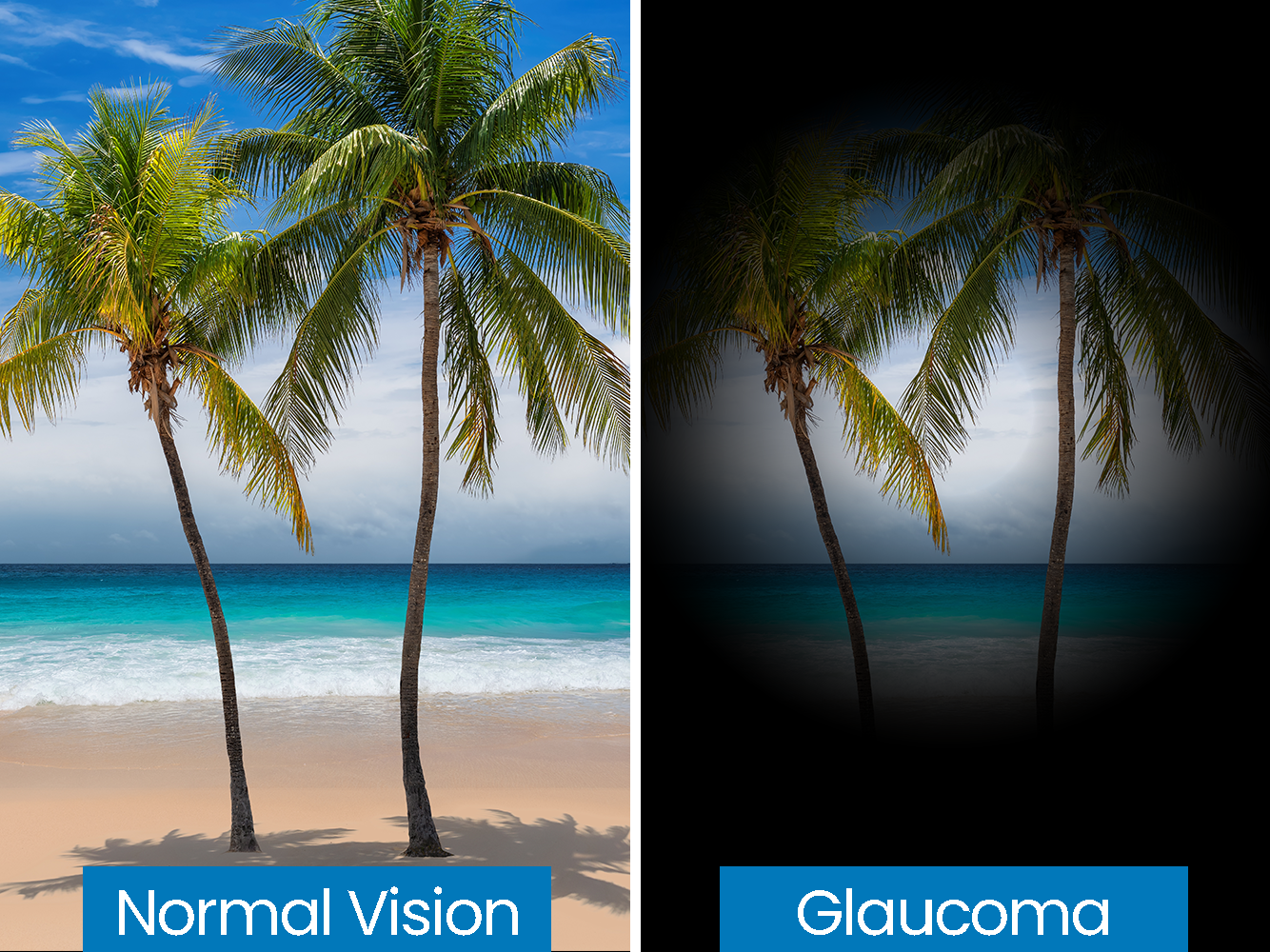
What Is Glaucoma?
Glaucoma is a group of eye diseases that cause progressive damage to the optic nerve—the part of the eye responsible for transmitting visual signals to the brain. Most commonly, this damage is linked to elevated intraocular pressure (IOP), which occurs when fluid in the eye (called aqueous humor) doesn’t drain properly. Over time, increased pressure can lead to permanent vision loss.
Often referred to as the “silent thief of sight,” glaucoma typically develops without noticeable symptoms until significant vision loss has occurred. This makes regular, comprehensive eye exams crucial—especially for individuals over the age of 40 or those with a family history of glaucoma.
Types of Glaucoma
The most common form, it progresses slowly and painlessly, often without symptoms until peripheral vision is affected.
Less common but more urgent, this type can cause a sudden increase in eye pressure and symptoms like eye pain, headache, nausea, and blurred vision.
Optic nerve damage occurs despite normal eye pressure, possibly due to poor blood flow to the optic nerve.
Results from an eye injury, inflammation, tumor, or medications like steroids.
A rare form that affects infants and young children, often diagnosed early due to symptoms like cloudy eyes or excessive tearing.
Symptoms of Glaucoma
Many people with glaucoma experience no symptoms until the disease is advanced. However, signs may include:
- Patchy blind spots in your peripheral or central vision
- Tunnel vision
- Blurred or hazy vision
- Halos around lights
- Redness or pain in the eye
- Severe headache
- Nausea and vomiting (in acute cases)
If you experience sudden vision changes, eye pain, or severe headaches, seek immediate medical care—these may be signs of an acute glaucoma attack.
Glaucoma Diagnosis
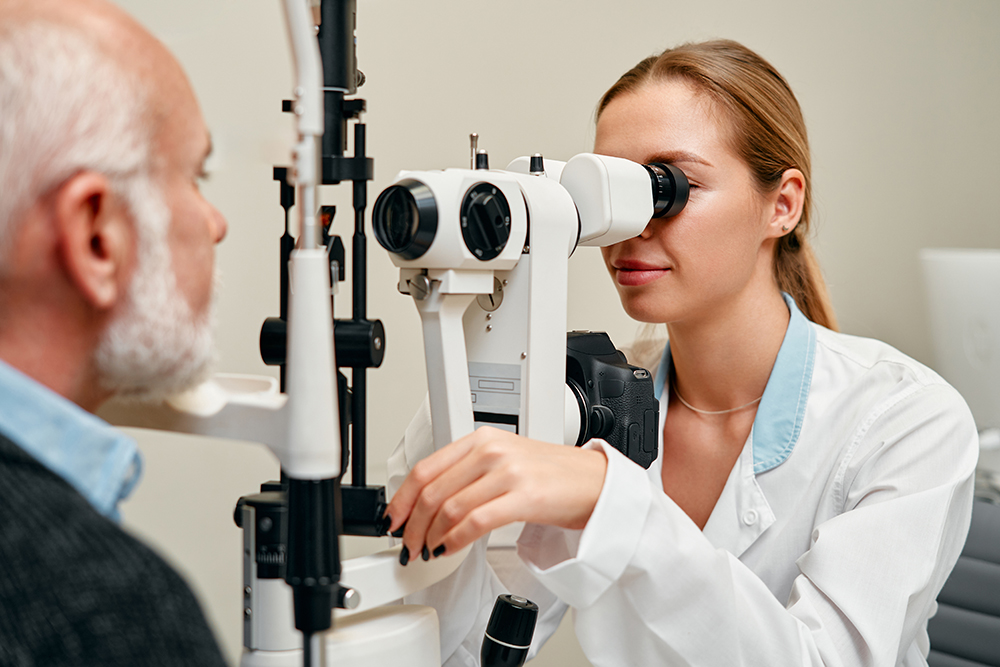
At Eye Associates of Plantation, we use advanced diagnostic tools to detect and monitor glaucoma, including:
- Tonometry to measure intraocular pressure
- Optical Coherence Tomography (OCT) to visualize the optic nerve
- Visual field testing to assess peripheral vision loss
- Gonioscopy to examine the eye’s drainage angle
- Pachymetry to measure corneal thickness
Early detection is the best defense against vision loss.
Glaucoma Treatment Options
The goal of glaucoma treatment is to reduce intraocular pressure to prevent further optic nerve damage. Depending on the type and severity of glaucoma, we may recommend:
Prescription eye drops are often the first line of treatment. These help lower eye pressure by either reducing fluid production or improving drainage.
Laser procedures, such as:
• Selective Laser Trabeculoplasty (SLT) for open-angle glaucoma
• Laser Peripheral Iridotomy (LPI) for angle-closure glaucoma
These quick, in-office treatments help improve fluid outflow and reduce pressure.
MIGS procedures offer effective pressure control with less recovery time and fewer complications than traditional surgery. Often performed alongside cataract surgery.
For advanced or uncontrolled glaucoma, options like trabeculectomy or glaucoma drainage implants may be necessary to create new fluid drainage pathways.

Ongoing Management
Glaucoma is a lifelong condition. With early diagnosis and consistent treatment, most patients can maintain good vision and quality of life. Our team will work closely with you to monitor your condition and adjust your treatment plan as needed.
Protect your vision—schedule your glaucoma screening today!
Call 954-792-6411 or Book an Appointment online to meet with one of our glaucoma specialists.