


As we age, the natural lens of the eye can become cloudy, blocking light from properly reaching the retina. This condition, known as cataracts, often feels like trying to see through a foggy or dirty windshield. Cataracts can interfere with daily life, making it harder to read, drive, or recognize familiar faces.
Thankfully, modern cataract surgery provides a reliable and safe way to restore sharp vision. Eye Associates of Plantation is a leader in advanced cataract treatment. Using the latest surgical techniques and cutting-edge technology, we delivers outstanding visual outcomes with a strong focus on patient comfort. Our experienced team are dedicated to helping you regain clear, vibrant sight and enjoy life without the limitations of cataracts.
Cataracts are a common eye condition that affects millions of people worldwide, especially as they age. A cataract occurs when the natural lens of the eye becomes cloudy, preventing light from passing clearly through to the retina. This clouding causes vision to become blurry, hazy, or less colorful—similar to looking through a foggy window or dirty windshield.
Cataracts typically develop as a natural part of the aging process, but several factors can contribute to their formation, including:

Cataracts often develop slowly and painlessly. Early signs may be subtle, but over time they can significantly impact your daily life. Symptoms may include:
Cataracts are diagnosed through a comprehensive eye examination that evaluates both vision and the clarity of the eye’s natural lens. Using specialized equipment such as a slit-lamp microscope, your ophthalmologist can detect even early signs of lens clouding and assess how much it affects your vision. Additional tests, including visual acuity, refraction, and a dilated retinal exam, help rule out other causes of blurred vision and determine the best treatment plan. In the early stages, cataracts may be managed with updated eyeglass prescriptions, improved lighting, or anti-glare lenses. However, when vision loss begins to interfere with daily activities, cataract surgery is the only effective treatment. This safe and highly successful outpatient procedure removes the clouded lens and replaces it with a clear, artificial intraocular lens (IOL), restoring sharp vision and enhancing overall quality of life.
Cataract surgery is a fast, minimally invasive procedure that usually takes less than 20 minutes to complete. During the operation, the cloudy natural lens is gently extracted through a tiny, pain-free incision and replaced with a clear, artificial intraocular lens (IOL). For those choosing Laser Cataract Surgery, the technique offers even greater precision—using laser technology to create exact incisions and soften the cataract for effortless removal, all without traditional surgical blades.
Many patients notice a dramatic improvement in their vision as soon as the next day, with full healing typically occurring over the following weeks. At Eye Associates of Plantation, we are are committed to guiding you every step of the way, offering personalized aftercare instructions and thorough follow-up visits to ensure a comfortable recovery and outstanding visual results.
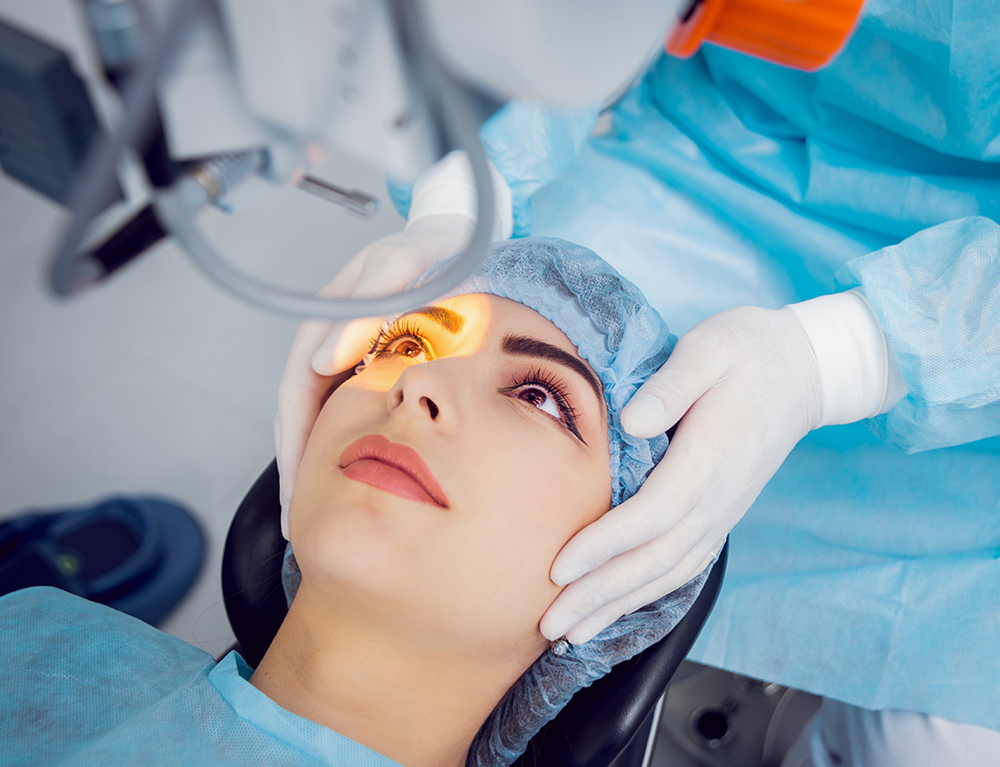
A remarkable breakthrough in cataract surgery is the introduction of Advanced Technology Intraocular Lenses (IOLs), which do more than simply replace the eye’s clouded natural lens. These innovative lenses can also correct common vision problems, including astigmatism, nearsightedness, farsightedness, and presbyopia—the age-related decline in near vision. With these advanced IOLs, many patients can enjoy clear vision for everyday activities such as driving, watching TV, working on a computer, or reading, often without the need for glasses.
At Eye Associates of Planation, we provide a range of premium lens options tailored to your visual goals and lifestyle:


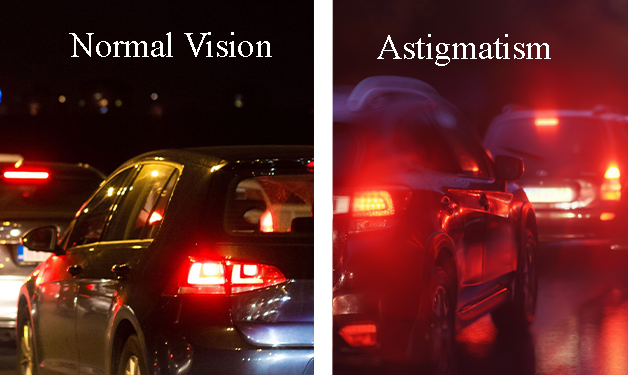
Our team will guide you in selecting the IOL that best matches your daily needs and long-term vision goals.
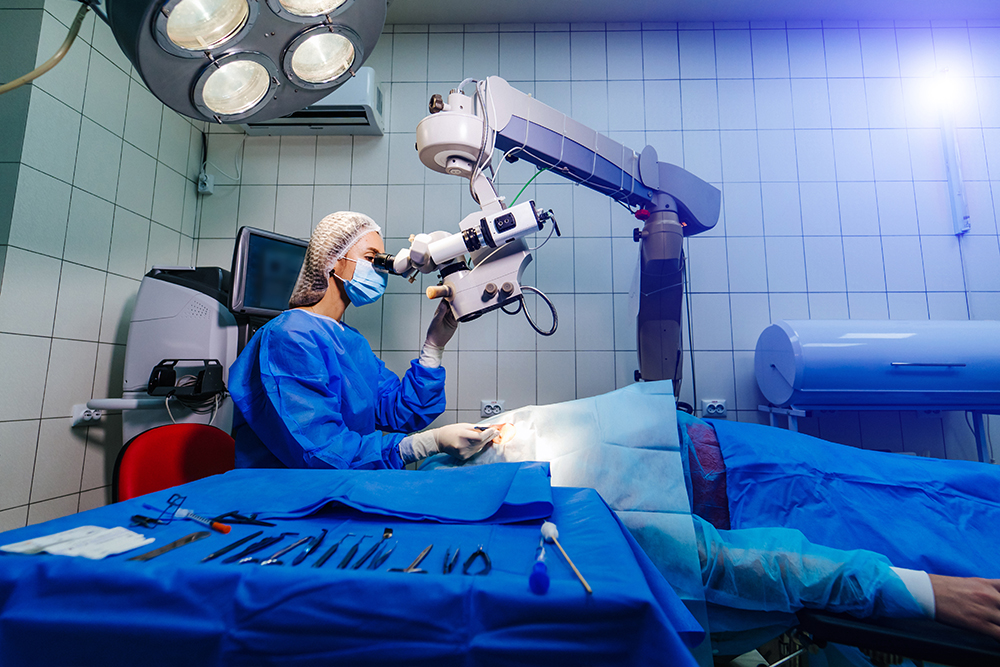
Cataract surgery is a straightforward, outpatient procedure that typically takes less than 20 minutes to complete. Before the surgery begins, your eye will be numbed with local anesthesia—usually in the form of eye drops—to ensure a comfortable experience. You’ll remain awake, but relaxed, and may be given a mild sedative to help you stay calm. During the procedure, the surgeon makes a tiny incision in the eye to remove the cloudy natural lens and replaces it with a clear, artificial intraocular lens (IOL). You may notice bright lights or slight pressure, but there should be no pain. The incision is so small that it usually heals on its own without stitches. Most patients are able to return home shortly after surgery with minimal downtime, and detailed post-operative instructions will be provided to support a smooth recovery.
Following your cataract procedure, most patients notice a gradual improvement in their vision within a few days. It’s common for your sight to be slightly blurry at first as your eye heals and adapts to the new artificial lens. You may also observe that colors seem more vivid and intense—this is because the cloudy lens that once filtered your vision has been replaced with a clear one. Cataracts often have a yellow or brown hue, which can dull the way you perceive color prior to surgery.
Your ophthalmologist will likely schedule follow-up visits—typically within the first couple of days, then again after one week and one month—to ensure your recovery is progressing as expected. Mild irritation or a scratchy sensation is normal during the early healing period, but these symptoms usually subside in just a few days. To protect your eye and promote proper healing, it’s important to avoid rubbing or applying pressure to the area, as doing so can interfere with your recovery and the stability of your new lens.